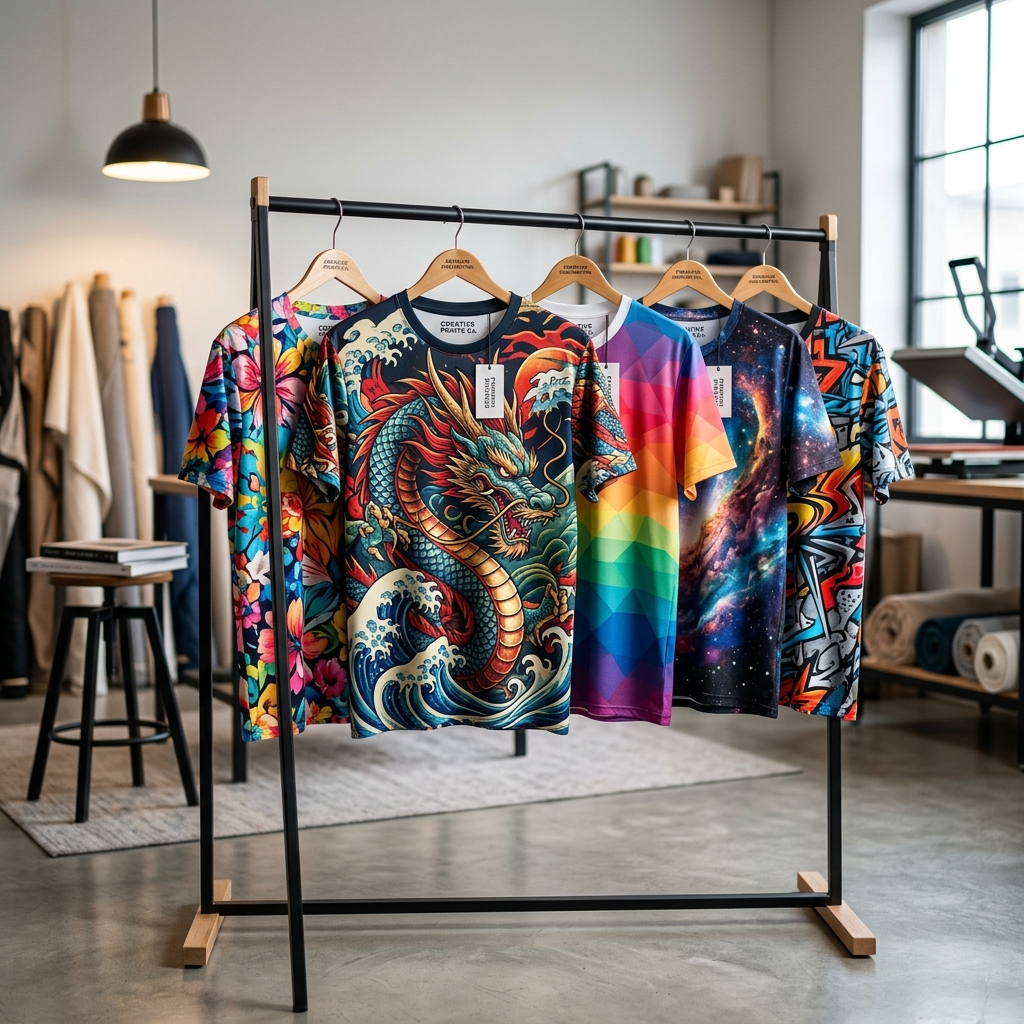
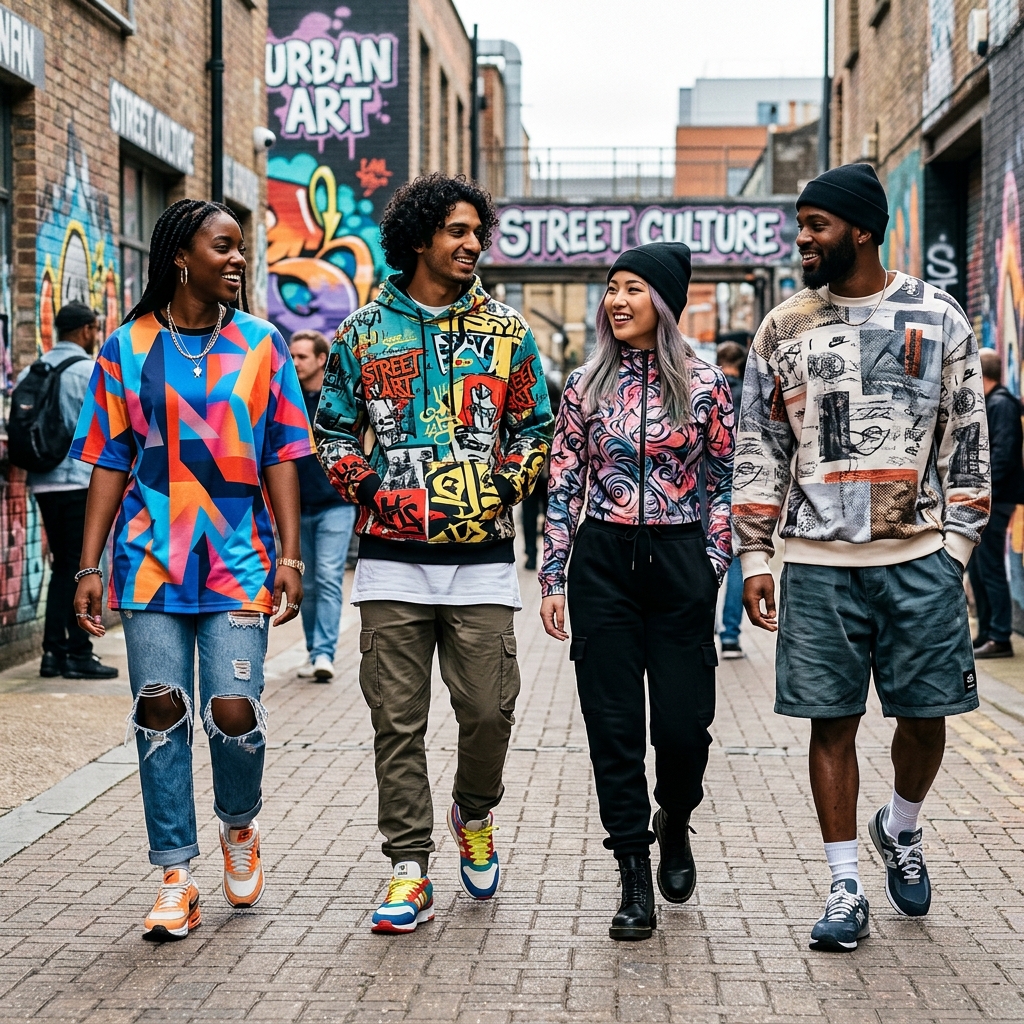
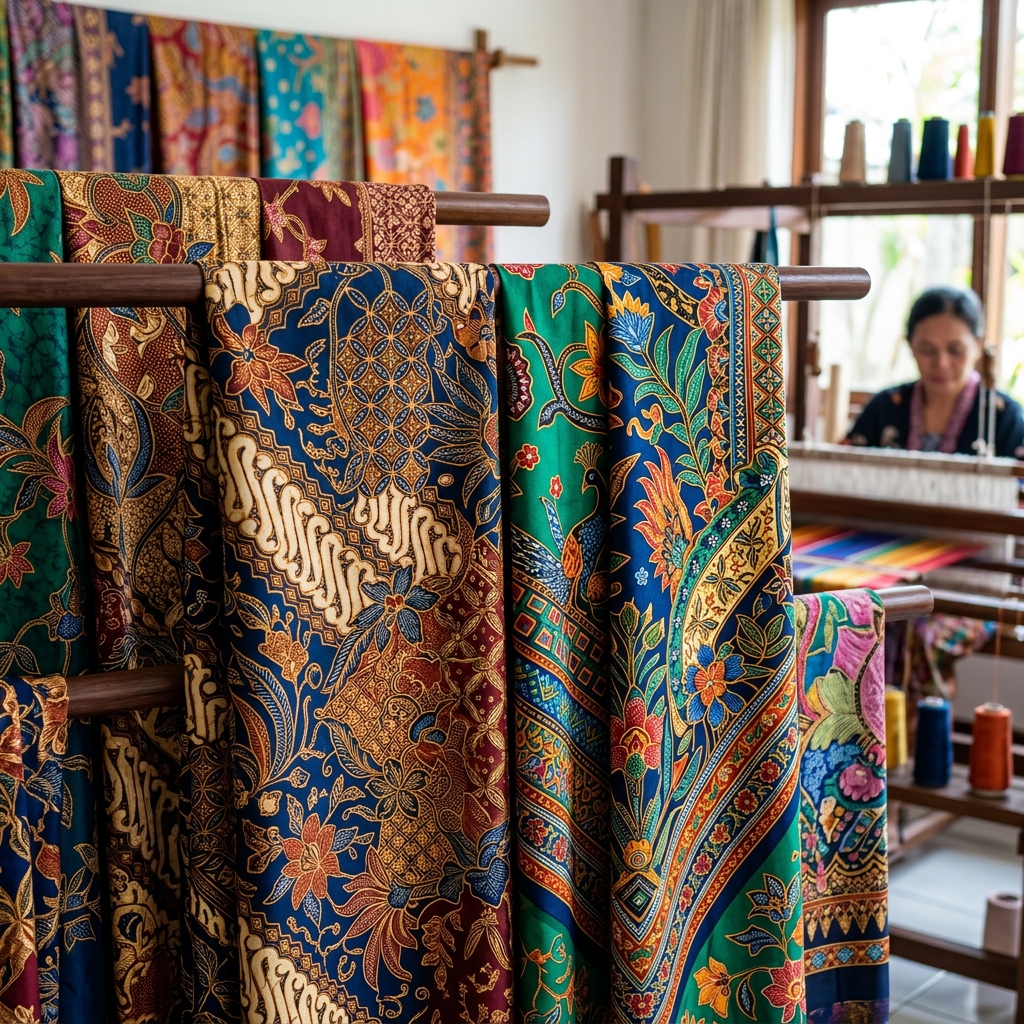
Vibrant, high-resolution custom prints on premium fabrics. Our advanced sublimation technology transfers your digital designs directly into the fibers, resulting in unbelievably vibrant colors and an extremely soft hand-feel.
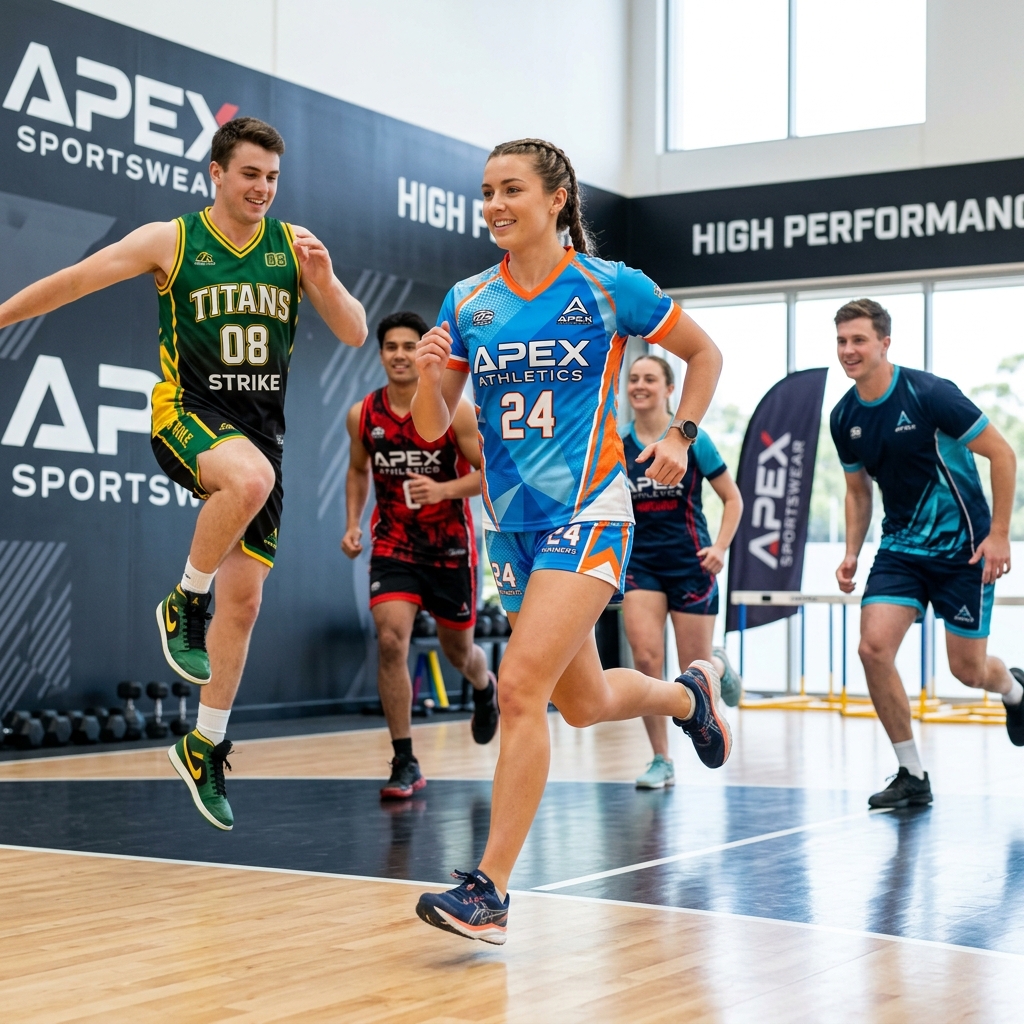
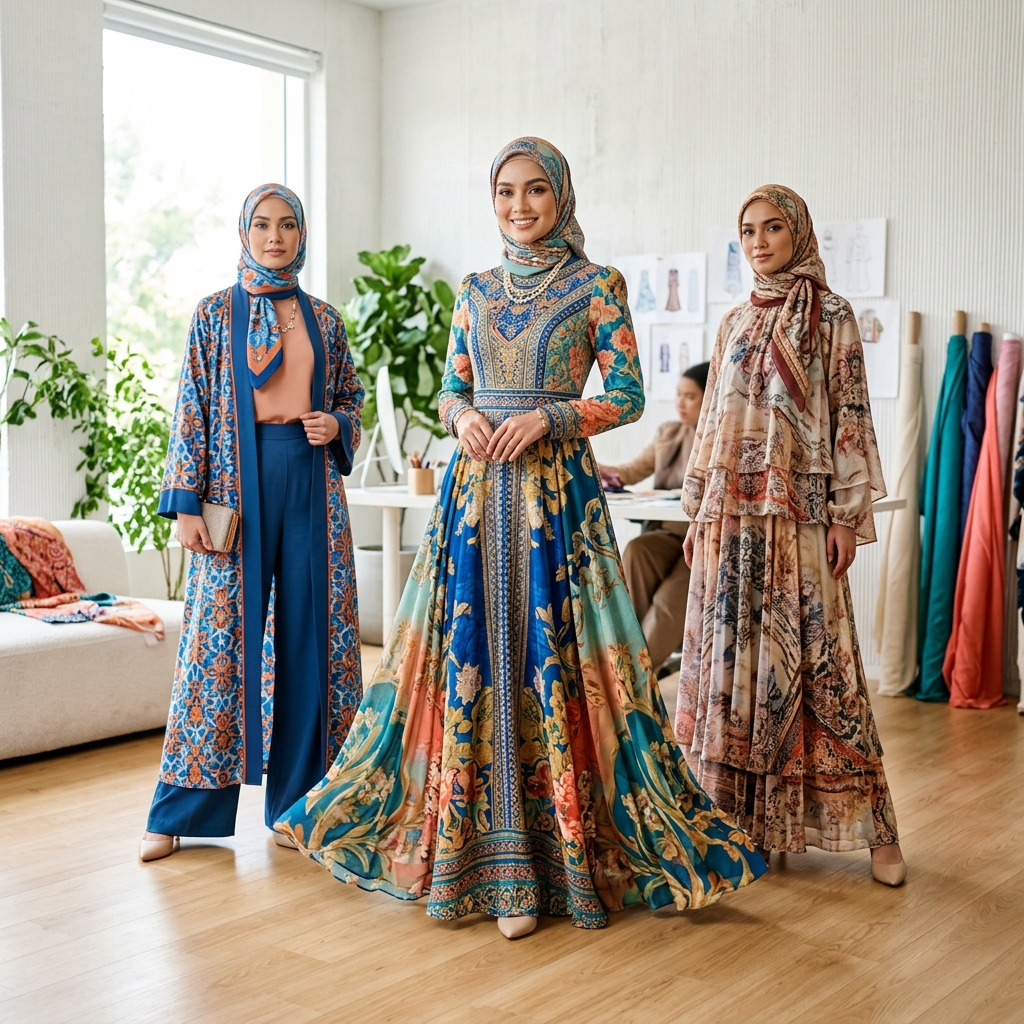
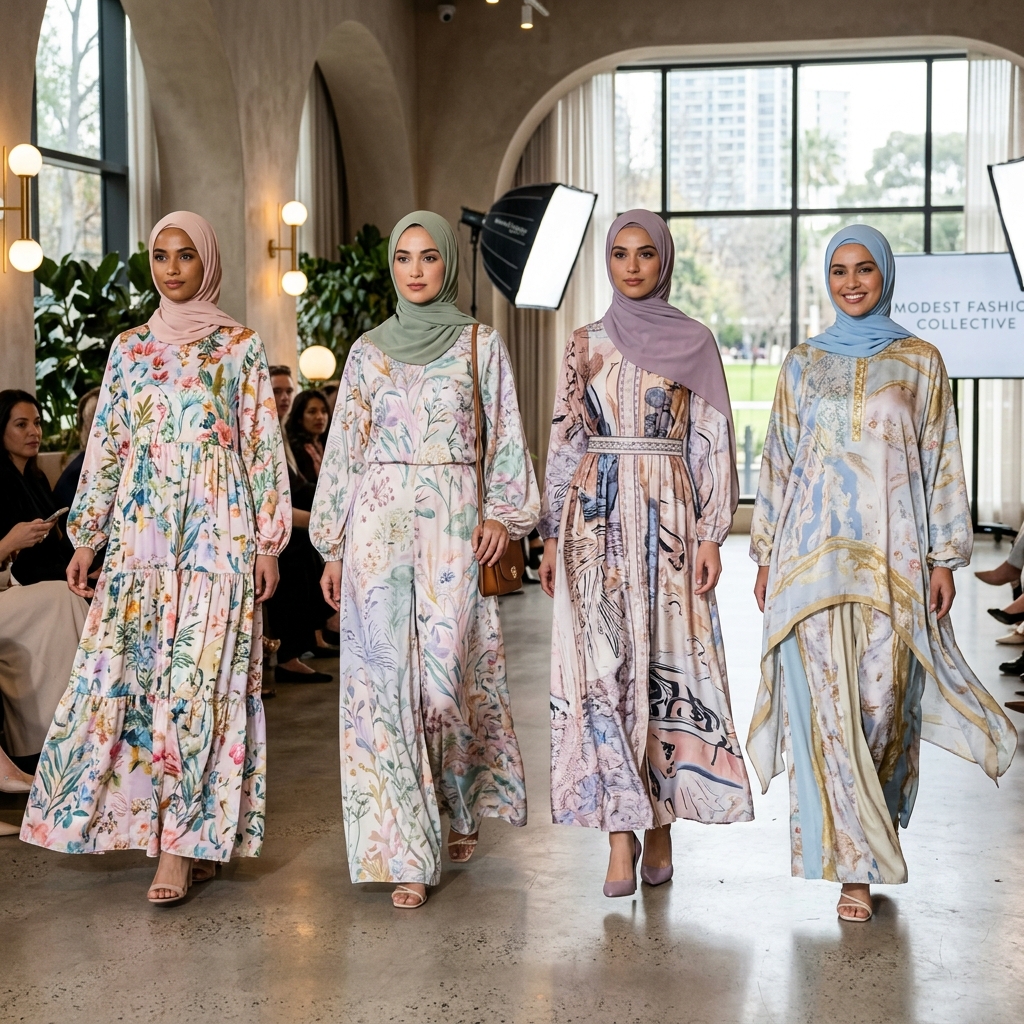
Sublimation printing has revolutionized the modern fashion industry by unlocking limitless creative possibilities without compromising on fabric performance. Unlike traditional printing methods that lay ink on top of the fabric, sublimation uses heat to turn dye into gas, which then bonds molecularly with synthetic fibers. This means the print becomes a part of the fabric itself, resulting in stunning, photo-realistic colors that will never crack, peel, or fade over time. It allows designers to create complex all-over prints while maintaining the natural breathability and soft drape of the garments, making it particularly crucial for sportswear, modest fashion, and vibrant casual wear.
When you partner with Zora Textile for your digital printing needs, you are choosing uncompromising quality and reliability. We understand that your brand's reputation relies on the final product. That is why we offer perfect color matching, ensuring your branding is represented exactly as envisioned. With our low minimum order quantities (MOQs), emerging designers and established brands alike can test new collections with massive flexibility and reduced inventory risk. Plus, our dedicated facility in Bangi ensures fast turnaround times so you never miss a launch date.
Our sublimation printing process is seamless and efficient. First, you provide your digital design, and our prepress experts ensure the artwork is optimized for scale and color accuracy. We then print the design onto specialized transfer paper using high-quality, eco-friendly inks. Next, the paper is aligned with your chosen premium polyester-blend fabric and fed through an industrial calendar heat press. Under precise high heat and pressure, the inks sublimate directly into the fabric's fibers. Finally, the fabric is inspected for quality assurance before being rolled or cut-and-sewn into your final masterpiece, delivering a permanent, vibrant finish.
Sublimation works best on 100% polyester or high-polyester blend fabrics (at least 60% polyester). It does not bond well with natural fibers like 100% cotton, silk, or wool.
No. Because the dye bonds at a molecular level with the fabric fibers, sublimation prints are permanent. They will not fade, crack, or peel, even after multiple washes.
Sublimation is a dye process, not an opaque ink process. Therefore, it requires light-colored or white fabrics to ensure the colors show up vibrantly and accurately.
Absolutely not! Sublimation allows for full-color, photo-realistic prints. You can use as many colors, gradients, and intricate details as you want without any additional setup costs.
Yes, sublimation is considered an environmentally friendly process. It produces very little waste, uses minimal water compared to traditional dyeing methods, and employs safe, water-based sublimation inks.
One of the biggest advantages of sublimation is that it leaves zero "hand feel." The ink becomes part of the fabric, so the printed area feels exactly as soft and breathable as the unprinted areas.
Screen printing layers ink on top of the fabric and requires separate screens for each color, making it better for simple designs in bulk. Sublimation dyes the fabric itself, making it ideal for complex, multi-colored, or all-over prints with low minimums.